
Cost of Living in Ireland for Nepali Students: Dublin vs Cork, Galway and Limerick
How much does it really cost to live in Ireland as a Nepali student? A monthly breakdown of rent, food, transport and bills in Dublin, Cork, Galway and Limerick, with rough NPR conversions and money-saving tips. Updated for 2027 intakes.

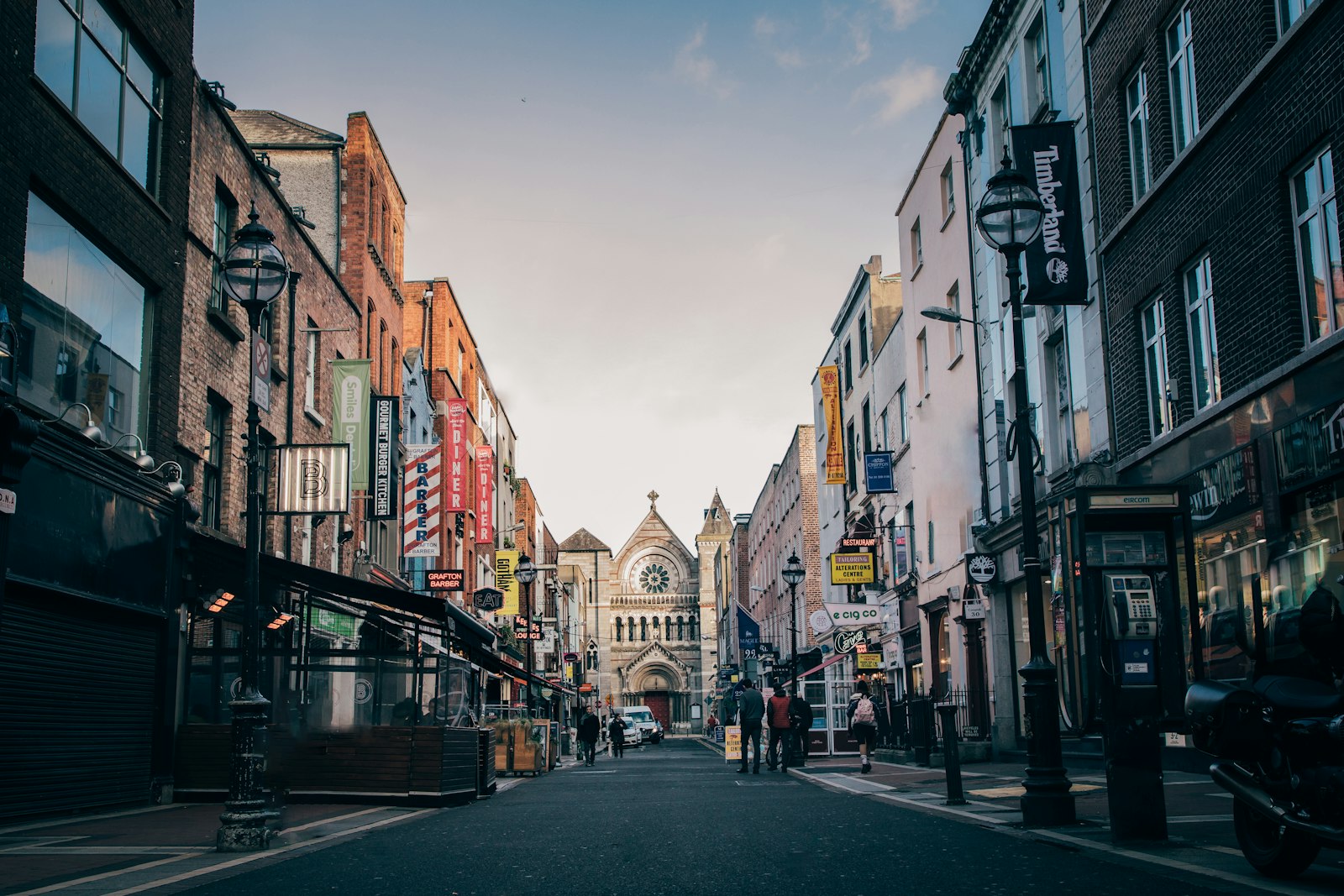
Tuition fees are only part of the cost of studying in Ireland. For most Nepali students, rent and day-to-day living are the biggest monthly worry, and they vary a lot between Dublin and other cities. This guide gives realistic ranges so you can plan your budget and your visa funds.
All figures are rough monthly ranges based on recent student experience. Prices change, especially rent, so treat them as a planning guide, not a quote. NPR conversions assume roughly NPR 150–160 per euro; check the current rate.
Monthly cost at a glance
| Expense | Dublin (€/month) | Cork, Galway, Limerick (€/month) |
|---|---|---|
| Rent (shared room) | 700–1,200 | 500–850 |
| Food and groceries | 250–350 | 220–320 |
| Transport | 60–110 | 30–80 |
| Utilities (if not included) | 50–100 | 50–100 |
| Mobile and internet | 15–30 | 15–30 |
| Books, personal, social | 80–150 | 70–130 |
| Total | about 1,150–1,900 | about 900–1,500 |
| Approx. in NPR | about NPR 1.7–3 lakh | about NPR 1.35–2.4 lakh |
Irish immigration asks students to show around €10,000 per year for living costs (check current guidance). In practice, most students spend more than that, especially in Dublin, which is why part-time work and family support both matter.
Rent: the biggest cost
Ireland has a serious housing shortage, and rent takes the largest share of every student budget.
Dublin
A room in a shared house or apartment usually costs €700–1,200 a month, more for an ensuite or a central location. Purpose-built student accommodation can be €1,000–1,600 or more. Areas further out, such as Tallaght, Blanchardstown or Clondalkin, are cheaper but add travel time.
Cork, Galway and Limerick
Rooms usually cost €500–850. Galway is tight on supply during term, so start looking early. Limerick is often the most affordable of the three. Smaller towns with technological university campuses (Athlone, Carlow, Sligo, Letterkenny) can be cheaper again.
Most landlords ask for one month’s deposit plus the first month’s rent upfront, so budget for about two months of rent on arrival.
Food and groceries
Cooking at home is how most Nepali students keep costs down. Lidl and Aldi are the cheapest supermarkets; Tesco and Dunnes have more choice. Rice, lentils, chicken, eggs, vegetables and frozen items are reasonably priced. Asian shops in Dublin, Cork and Galway sell Nepali and Indian spices, masala, and sometimes momo wrappers.
- Cooking at home: €220–350 a month
- Coffee and snack on campus: €3–6
- Meal in an inexpensive restaurant: €15–20
Transport
Get a Student Leap Card as soon as you arrive. It gives discounted fares on Dublin Bus, Luas, DART and many regional buses and trains. In Dublin, students who travel daily typically spend €60–110 a month. In Cork, Galway and Limerick, many students walk or cycle and spend less. A second-hand bicycle (€80–200) can pay for itself in a few months.
Bills, phone and other costs
- Utilities (electricity, heating, internet) are often split in house shares: €50–100 per person a month, higher in winter.
- Mobile: prepaid SIM plans from €15–25 with lots of data.
- Medical insurance: required for your visa and immigration registration, roughly €150–250 a year for basic student cover.
- Immigration registration (IRP): a fee of around €300 each year; check the current amount.
- Winter clothing: a good jacket and waterproof shoes, about €100–200 once.
One-time costs when you arrive
| Item | Approx. cost |
|---|---|
| Rent deposit + first month | €1,200–2,400 |
| IRP registration | around €300 |
| Bedding, kitchen items | €100–200 |
| Temporary stay while house-hunting | €300–800 |
Plan to bring or have access to at least €2,500–4,000 for your first month, separate from tuition.
Two sample student budgets
Master’s student in Dublin
Shared double room in Rathmines with one other student at €650 each, groceries from Lidl at €280, Leap Card at €90, bills and phone at €90, other spending at €120. Total: about €1,230 a month, roughly NPR 1.85–2 lakh.
Bachelor’s student in Limerick
Single room in a house share at €600, groceries at €250, cycling and occasional bus at €30, bills and phone at €80, other spending at €100. Total: about €1,060 a month, roughly NPR 1.6–1.7 lakh.
Your own budget will depend on the room you find and how often you eat out, but these show how much the city choice changes the total.
How part-time work fits in
On a Stamp 2 permission, degree students can usually work up to 20 hours a week during term and 40 hours during holiday periods. At minimum wage, this can cover a good share of rent and food once you find a job, but it often takes a few weeks to a couple of months to get started. Do not plan your first semester on part-time income. Read part-time jobs in Ireland for Nepali students.
Money-saving tips from Nepali students
- Share a room or a house with other students to cut rent.
- Cook in batches and share groceries with housemates.
- Use student discounts (UNiDAYS, Student Leap Card offers).
- Buy second-hand furniture and bikes on Facebook Marketplace or DoneDeal.
- Choose a city outside Dublin if your course is available there.
- Use a low-fee transfer option and get your NOC early for money from Nepal.
Budgeting for 2027
- Rent: rents in Ireland have kept rising year on year. If you arrive in 2027, plan with the upper half of the ranges above, especially in Dublin.
- Minimum wage: the adult rate is €14.15 per hour in 2026 and is reported to rise to €14.94 per hour from 1 January 2027. At that rate 20 hours a week is about €299 before tax. Confirm the rate on gov.ie.
- Visa funds: the €10,000 per year living-cost benchmark has applied since mid-2025. Real costs in Dublin are higher than this, so do not treat it as your actual budget.
- Exchange rate: recheck the NPR to euro rate when you plan. A small change in the rate makes a visible difference over twelve months.
Frequently asked questions
How much does a Nepali student need per month in Dublin?
Usually around €1,150–1,900 a month, depending mostly on rent. That is roughly NPR 1.7–3 lakh at current rates.
Is Cork or Galway cheaper than Dublin?
Yes, mainly because rent is lower. Total monthly costs are often €250–400 less than Dublin.
Can part-time work cover all my living costs?
Sometimes, after you settle, but not reliably at the start. Plan to have savings for at least the first three to six months.
What is the total cost of studying in Ireland?
Add tuition, living costs, insurance, IRP and flights. See our full cost of studying in Ireland from Nepal guide and scholarships for Nepalese students.
Plan your Ireland budget with us
Our Ireland counsellors in Kathmandu can help you choose a city and course that fit your budget and prepare the funds for your visa. Book free counselling through our contact page or read more about studying in Ireland from Nepal.
Tags
About Hub International Education
Study abroad counsellors, Kathmandu
Hub International Education has guided Nepali students abroad since 2006, with counsellors in Kathmandu and branches across Nepal.
Related Articles
 Education
“Balancing Work and Study Abroad”
This article talks about why is it important to balance work and study abroad
Paras Pant Education
Why Choose a Master’s by Research in the UK? A Guide for Nepalese Graduates
This blog explains why a Master’s by Research in the UK is becoming a popular choice for Nepalese students. It covers how this pathway offers academic freedom, strong career opportunities, and a clear route toward PhD and global research careers.
Hub International Education Education
The Growing Appeal of UK Education: What’s Drawing Students from Around the World
This blog gives an idea why UK is being popular destination for international students from around the world.
Hub International EducationPlanning to study abroad?
Get a free shortlist of countries and courses based on your grades, budget and goals.