
UK Student Visa from Nepal: CAS, Funds, TB Test and Graduate Route
A step-by-step guide to the UK Student visa for Nepali students: CAS, the 28-day bank balance rule, TB test in Kathmandu, Immigration Health Surcharge, English, the credibility interview, dependants and the Graduate Route changes from 2027. Updated for 2027 intakes.

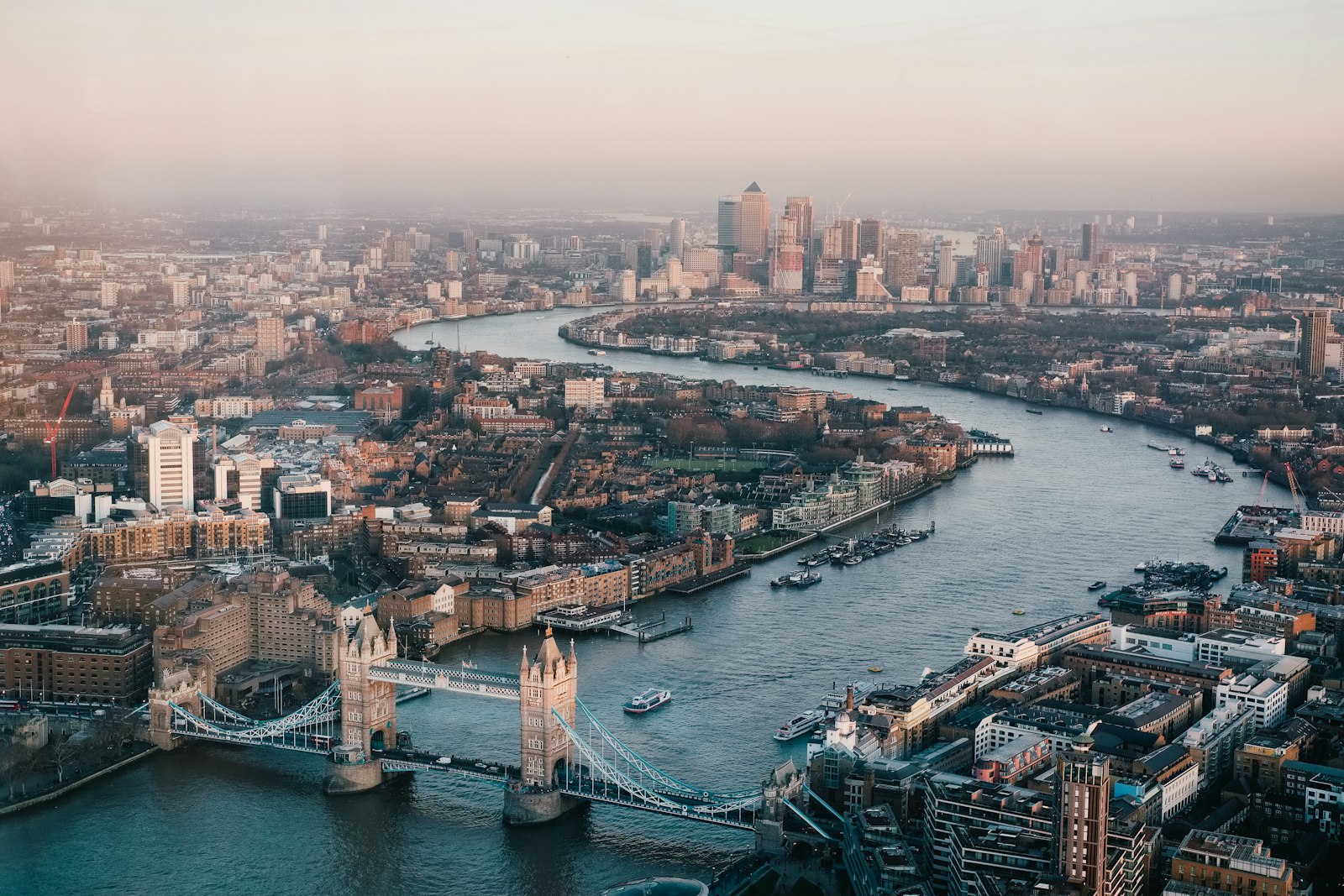
The UK is still one of the most popular study destinations for Nepali students, mainly because master’s courses are short (usually one year) and universities are well known back home. The visa itself is fairly structured: if your documents are right and your story is genuine, the process is predictable. This guide walks through the UK Student visa (the route that replaced the old “Tier 4” name) as it applies to students from Nepal.
Fees, maintenance amounts and rules change often. Treat the figures below as a guide and always check the current rules on GOV.UK before you pay or submit anything.
Step 1: Offer, deposit and CAS
Everything starts with an unconditional offer from a licensed UK university. Once you meet the conditions (final transcripts, English score) and pay the deposit the university asks for, it issues a CAS (Confirmation of Acceptance for Studies). The CAS is an electronic reference number that holds your course details, fees paid and the English evidence the university used.
Many universities run their own pre-CAS checks, which often include a short interview and a review of your bank documents. Treat this as part of the visa process: a university that is not convinced will not issue a CAS, and that protects you from a refusal later.
Check every detail on your CAS carefully: name spelling as per passport, course dates, tuition fee paid, and qualifications listed. A mismatch between your CAS and your documents is an easy reason for problems.
Step 2: Show funds and the 28-day rule
You must show that you can pay your remaining first-year tuition plus living costs. Living costs are set per month for up to nine months, and the amount is higher for London than for the rest of the UK. For applications from 30 November 2026 this is £1,570 a month in London and £1,203 a month outside London (up from £1,529 and £1,171), so £14,130 or £10,827 for nine months, on top of unpaid tuition. Check the current figures before you plan your balance.
The key detail is the 28-day rule:
- The required amount must sit in the account for at least 28 consecutive days.
- The closing date of that 28-day period must be no more than 31 days before you submit your application.
- If the balance dips below the required amount even for one day, the 28-day count restarts.
Most Nepali families use savings accounts or fixed deposits in their own name or a parent’s name at Nepali commercial banks. If the money is in a parent’s account, you need your birth certificate (or relationship certificate from the ward office) and a consent letter from the parent. An education loan from a Nepali bank can also be used if the loan letter meets UKVI requirements. Our education loan guide explains how this works in Nepal.
Step 3: TB test in Kathmandu
Nepal is on the UK’s list of countries where a tuberculosis test is required for stays over six months. You must take it at a UKVI-approved clinic; in Nepal this has been the IOM clinic in Kathmandu. Book early before the September and January intakes because slots fill up. The certificate is usually valid for six months.
Step 4: English requirement
For degree-level study, your university can assess your English itself, which is why many accept IELTS Academic or PTE Academic scores, or sometimes other evidence. For below-degree courses (for example some foundation programmes) you usually need a Secure English Language Test such as IELTS for UKVI. Your CAS will state which English evidence was used. If you still need a score, see our IELTS classes in Kathmandu or PTE classes.
Step 5: Online application, IHS and biometrics
You apply online, pay the visa fee and the Immigration Health Surcharge (IHS), then book biometrics at the visa application centre in Kathmandu. The IHS for students has recently been around £776 per year of the visa, charged up front, and the visa fee is a few hundred pounds. For a one-year master’s the combined cost of visa fee and IHS is often well over £1,500, so budget for it alongside your tuition deposit.
Typical documents include:
- Valid passport and CAS number
- Bank statements or loan letter meeting the 28-day rule
- Academic documents used for your offer (SEE, NEB +2, bachelor’s transcripts as relevant)
- TB test certificate
- Relationship documents and consent letter if funds are in a parent’s name
- English test certificate if required
See our full documents checklist and remember you will also need an NOC from the Ministry of Education (MoEST) to transfer fees from Nepal.
Step 6: The credibility interview
UKVI can invite you to a short credibility interview, usually by video. Officers want to see that you are a genuine student who understands the course, the university and your own funding. Expect questions such as:
- Why this course and why this university?
- Why the UK rather than Nepal or another country?
- Who is paying for your studies and where does the money come from?
- What will you do after the course?
Answer in your own words. Memorised answers or not knowing basic course modules are common reasons for refusal.
Dependants: who can bring family?
Since January 2024 most international students on taught courses cannot bring dependants. Only students on PhD or other research-based postgraduate courses (and some government-sponsored students) can bring a spouse or children. If you are married and planning a one-year taught master’s, plan on studying alone. If bringing your spouse matters to you, compare the rules in other countries before you choose.
Working during and after study
Degree-level students can usually work up to 20 hours a week during term time and full time in official vacations. After you finish, the Graduate Route lets you stay and work without a job offer. It has been two years for bachelor’s and master’s graduates (three years for PhD), but for applications made from 1 January 2027 it is 18 months for bachelor’s and master’s graduates. If you are starting a one-year master’s in late 2026 or 2027, plan around the shorter period, and check what applies to PhD graduates at the time you apply.
Common reasons UK student visas are refused
- Funds not held for the full 28 days, or statements older than 31 days
- Weak or inconsistent answers in the credibility interview
- Unexplained study gaps or a course that does not connect to your background
- Documents that do not match the details on your CAS
Also considering Ireland?
Ireland offers one-year master’s courses too, an English-speaking environment, and a stay-back period of up to two years for master’s graduates under the Stamp 1G scheme. Many Nepali students compare both countries before applying. Read Ireland vs UK for Nepalese students or see studying in Ireland from Nepal.
Key points for 2027 applicants
- Higher funds: for applications made on or after 30 November 2026 you need £1,570 a month in London or £1,203 a month outside London, for up to nine months. That is £14,130 or £10,827 plus any unpaid tuition, held for 28 days.
- Shorter Graduate Route: Graduate Route applications made from 1 January 2027 get 18 months for bachelor’s and master’s graduates. Anyone starting a one-year master’s in January or September 2027 should plan on 18 months.
- Dependants: most taught master’s students still cannot bring dependants. This has not changed for 2027.
- Timeline: for the September 2027 intake, apply to universities between November 2026 and March 2027, start the 28-day funds period by June and apply for the visa in July or early August.
Frequently asked questions
Is the Tier 4 visa still used?
No. The UK replaced the Tier 4 (General) student visa with the Student visa route in 2020. The basic idea (CAS, funds, English) is similar, but you should use the current Student visa guidance.
How long does a UK student visa take from Nepal?
Standard processing is usually around three weeks after biometrics, though it can vary in peak season. Priority services are sometimes available for an extra fee.
Can I use a fixed deposit for the UK funds requirement?
Often yes, if you can access the money and the bank letter shows the balance for the full 28-day period. Confirm the exact format with your university or counsellor.
How long is the Graduate Route for a master’s in the UK?
For applications made from 1 January 2027 it is 18 months for bachelor’s and master’s graduates. Before that it was two years. Check current rules when you apply.
Get help with your UK application
Hub International Education helps Nepali students from university shortlist to CAS, funds and interview preparation. Read our master’s in the UK guide, see studying in the UK, or book free counselling through our contact page.
Tags
About Hub International Education
Study abroad counsellors, Kathmandu
Hub International Education has guided Nepali students abroad since 2006, with counsellors in Kathmandu and branches across Nepal.
Related Articles
 Student Visa
Documents Required to Study Abroad from Nepal: Complete Checklist
A complete checklist of the academic, financial, sponsor and visa documents Nepali students need to study abroad, with tips on ward office papers, bank statements, CA valuation and the NOC.
Hub International Education Student Visa
NOC for Abroad Study in Nepal: How to Apply Online
What the No Objection Certificate (NOC) is, why Nepali banks need it before sending your fees abroad, and how to apply online through the Ministry of Education, Science and Technology without mistakes.
Hub International Education Student Visa
Ireland Student Visa Refusal: Reasons and How to Reapply from Nepal
Common reasons Irish study visas are refused for Nepali students, how to read the refusal letter, when to appeal and when to reapply, and practical steps to make your next application stronger.
Hub International EducationPlanning to study abroad?
Get a free shortlist of countries and courses based on your grades, budget and goals.