
Canada Study Permit from Nepal: PAL, Funds, GIC and PGWP Rules
Canada has tightened its student rules. This guide explains the study permit cap and PAL, proof of funds and GIC, biometrics in Kathmandu, choosing a DLI and the PGWP field-of-study rules for Nepali students. Updated for 2027 intakes.

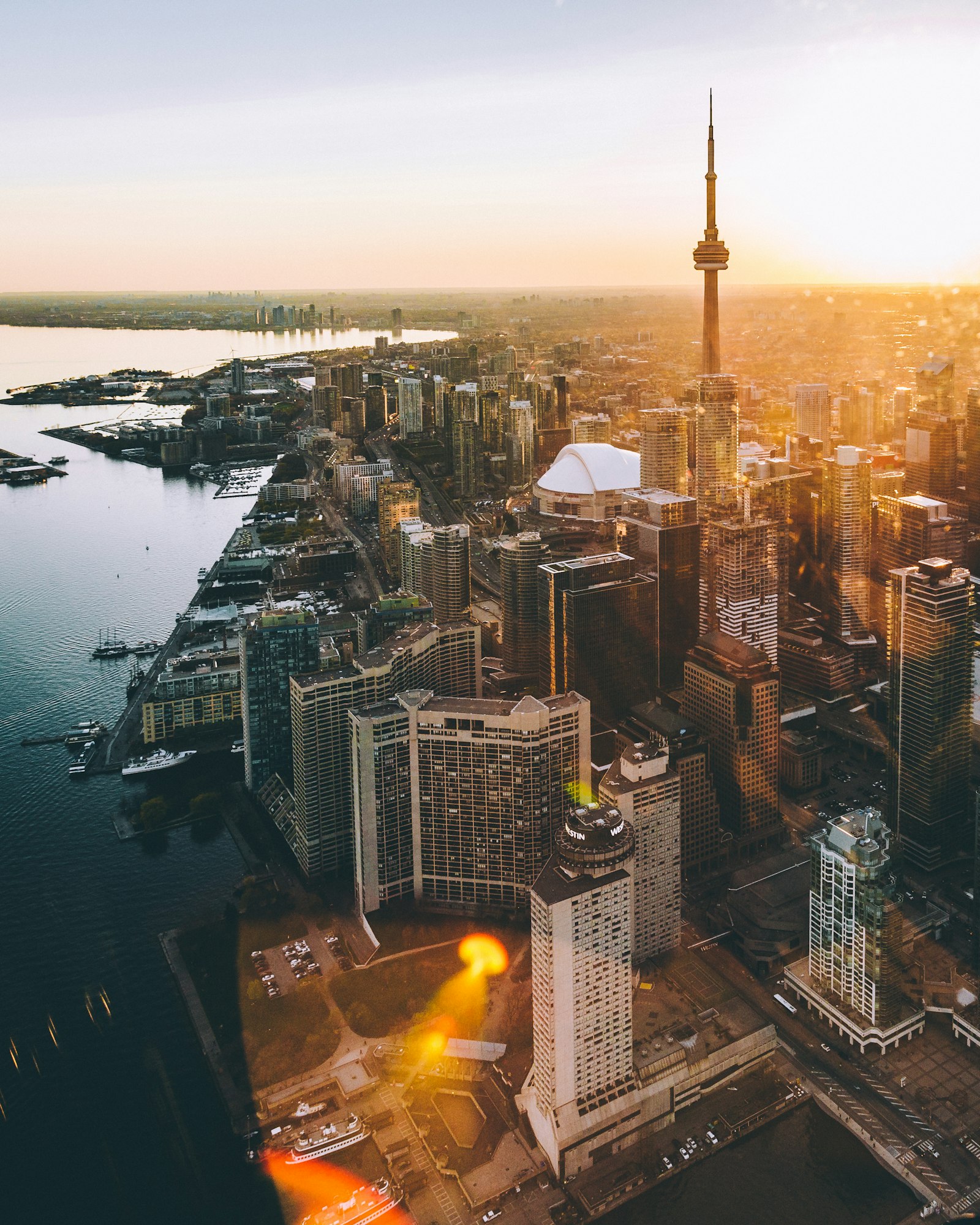
Canada was for a long time the dream destination for many Nepali students. Since 2024, though, the Canadian government has introduced a cap on study permits, stricter proof of funds and new rules for post-graduation work permits. Canada is still possible, but it needs more careful planning than before. This guide explains the main steps for a Canada study permit from Nepal.
Canadian rules have changed several times in a short period and may change again. Use this as an overview and check the current IRCC (Immigration, Refugees and Citizenship Canada) guidance before you apply.
Step 1: Choose a DLI and the right program
You can only get a study permit for a program at a Designated Learning Institution (DLI). Check the DLI list and also whether the specific program is eligible for a post-graduation work permit (PGWP) if working after study is part of your plan. Not every DLI or program qualifies.
Think carefully about the program level. A diploma that repeats what you already studied in your bachelor’s in Nepal is hard to justify and is a common refusal reason.
Step 2: PAL or TAL under the study permit cap
Since 2024, most study permit applicants need a Provincial Attestation Letter (PAL), or a Territorial Attestation Letter (TAL), from the province or territory where they will study. Each province receives a share of the national cap and issues PALs through its institutions.
- Your college or university usually requests the PAL for you after you accept your offer and pay a deposit.
- From 2025, master’s and doctoral students have also generally needed a PAL, though rules on exemptions have changed; check the current list.
- PALs can run out for popular programs or provinces, so apply early.
Step 3: Proof of funds and GIC
You must show you can pay your first-year tuition plus living costs and travel. The living cost requirement increased sharply in 2024 and was CAD 22,895 from September 2025 and is reported at about CAD 23,448 for a single student from 1 September 2026, on top of tuition, with more for family members. It is now updated regularly, so check the latest figure.
A GIC (Guaranteed Investment Certificate) from a participating Canadian bank is a common way to show living costs. The Student Direct Stream (SDS) that made GIC compulsory for some countries ended in late 2024, so a GIC is now optional for Nepali applicants, but many still use it because it is a clear, verifiable source of funds.
Other common evidence from Nepal:
- Bank balance certificates and statements from Nepali commercial banks
- Education loan sanction letter (see our education loan guide)
- Proof of income of sponsors: salary, business income with tax records, rental income
- Tuition fee payment receipt from the institution
Officers look at where the money came from. Sudden large deposits without explanation are a common reason for refusal.
Step 4: Documents and the online application
You apply online through your IRCC account. Typical documents include:
- Letter of acceptance from a DLI and the PAL/TAL
- Passport, academic documents (SEE, NEB +2, bachelor’s if relevant) and English test result
- Proof of funds and relationship documents for sponsors
- Study plan (statement of purpose) explaining your choice of program and future plans
- Medical exam with an IRCC panel physician if required
You will also need an NOC from the Ministry of Education (MoEST) in Nepal to transfer fees. See our complete documents checklist.
Step 5: Biometrics in Kathmandu
After you submit and pay the fees, IRCC sends a biometric instruction letter. You give fingerprints and a photo at the visa application centre (VFS) in Kathmandu. Book quickly, since the letter has a deadline. Biometrics are usually valid for ten years, so you may not need them again if you gave them recently.
Work during study and the PGWP
Students can usually work off campus during academic sessions up to a weekly limit (recently 24 hours per week) and full time during scheduled breaks. Check the current limit.
The Post-Graduation Work Permit (PGWP) rules have tightened:
- Field of study: since late 2024, graduates of many college programs must have studied in a field linked to occupations in long-term shortage. University bachelor’s, master’s and doctoral graduates have generally been exempt from this rule, but check the current list.
- Language test: PGWP applicants now need to show a minimum language level (higher for university graduates than for college graduates).
- Length: PGWP length is still tied to program length; master’s graduates can often get up to three years.
If staying to work is important to you, confirm your program’s PGWP eligibility before you accept the offer.
Common refusal reasons
- Officer not convinced you will leave Canada at the end of your authorised stay
- Program does not fit your academic history or career plan
- Insufficient or unclear funds
- Weak study plan that does not explain why Canada and why this program
Also considering Ireland?
Because of Canada’s cap and PGWP changes, many Nepali students now compare it with Ireland. Ireland has no student number cap, one-year master’s courses, and a stay-back of up to two years for master’s graduates. See studying in Ireland from Nepal.
Applying for 2027 intakes
- The cap continues: Canada’s limit on study permits is still in place. Each province gets a share, so your institution can only issue a PAL or TAL while it has allocation left. Ask about this before you pay a deposit.
- Proof of funds: the living-cost amount is now updated every year. It is reported at about CAD 23,448 for a single student outside Quebec from 1 September 2026, on top of first-year tuition and travel. Confirm the figure on the IRCC website.
- PGWP: check that your program is still eligible for a post-graduation work permit under the field-of-study rules before you accept an offer for 2027.
- Timeline: Canada’s 2027 intakes are January, May and September. Apply at least three to four months before your start date.
Frequently asked questions
Is GIC mandatory for Nepali students going to Canada?
Not since SDS ended in late 2024, but it is still a common and clear way to show living costs. Your total funds must still meet the requirement.
Do master’s students need a PAL?
From 2025, most master’s and PhD students have needed a PAL as well. Rules on who is exempt have changed, so check with your institution.
How long does a Canada study permit take from Nepal?
Processing times vary by season and are published on the IRCC website. Apply as early as possible, ideally three months or more before your intake.
Can my spouse come with me to Canada?
Spousal open work permits are now limited mainly to spouses of master’s (of a minimum length), doctoral and certain professional program students. Check the current eligibility before planning.
Plan your Canada application with us
Our counsellors help Nepali students choose PGWP-eligible programs, prepare funds and write clear study plans. Read our study in Canada guide, see studying in Canada, or book free counselling through our contact page.
Tags
About Hub International Education
Study abroad counsellors, Kathmandu
Hub International Education has guided Nepali students abroad since 2006, with counsellors in Kathmandu and branches across Nepal.
Related Articles
 Student Visa
Documents Required to Study Abroad from Nepal: Complete Checklist
A complete checklist of the academic, financial, sponsor and visa documents Nepali students need to study abroad, with tips on ward office papers, bank statements, CA valuation and the NOC.
Hub International Education Student Visa
NOC for Abroad Study in Nepal: How to Apply Online
What the No Objection Certificate (NOC) is, why Nepali banks need it before sending your fees abroad, and how to apply online through the Ministry of Education, Science and Technology without mistakes.
Hub International Education Student Visa
Ireland Student Visa Refusal: Reasons and How to Reapply from Nepal
Common reasons Irish study visas are refused for Nepali students, how to read the refusal letter, when to appeal and when to reapply, and practical steps to make your next application stronger.
Hub International EducationPlanning to study abroad?
Get a free shortlist of countries and courses based on your grades, budget and goals.